
Italy’s Genius Paradox
Why a borderline dysfunctional country produces so many world-changing minds

Why does Italy produce so many geniuses?
The question sounds almost tautological, like asking why Italians speak Italian. That’s just how it is, right? It’s not a coincidence; it’s a condition.
But it’s a paradox that comes to mind every time I marvel at an anonymous fresco in an ancient church -- or waste a morning trying to retrieve a package from the Poste Italiane.
Italy is burdened by a suffocating bureaucracy. It’s inefficient, slow to adapt. The class system is entrenched, institutions are stagnant, wages low. Success often depends on raccomandazioni -- connections -- more than on merit. The Vatican still looms large, with its own agenda.
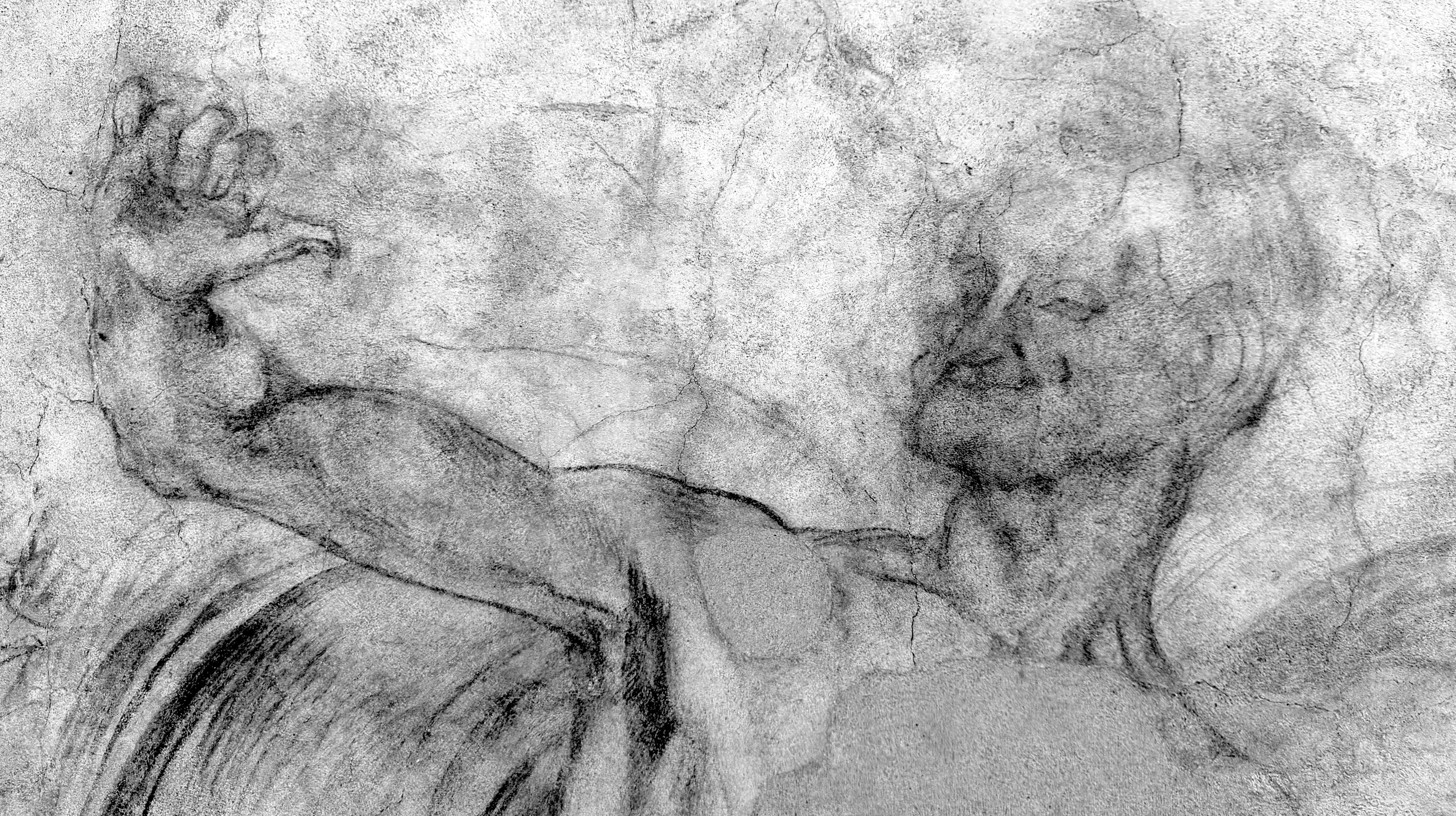
And yet, the country has somehow been the west’s most prolific crucible of genius, dating back millennia. From the Caesars to Marcus Aurelius. From Masaccio to Michelangelo (by way of Machiavelli). Marconi, Modigliani, Montessori. Fermi, Fellini. Renzo Piano. Riccardo Mutti. Robertos Benigni and Baggio and Saviano.
So, I ask again: Why?
I’ve been informally researching the question for more than a decade. People who know me well -- along with many others I’ve met in coffee bars, sat next to on trains, or (this always gets a smile) met while waiting in various slow-moving lines -- know I like to ask the “genius question.”
“Name a legitimate, world-class, history-changing genius from Germany,” I might say, setting up the premise -- though it could just as easily be France or Spain or The Netherlands or the U.S. “Give me one name and I’ll name three Italians. We’ll keep going until one of us runs out.”
They usually concede the point. That’s when I ask, “Allora, perché?”
Keep reading with a 7-day free trial
Subscribe to The ITALIAN DISPATCH By Eric J Lyman to keep reading this post and get 7 days of free access to the full post archives.