✍️ The 40-Minute Problem
Romans overlook the hill towns in their back yard. But that’s good news for everyone else
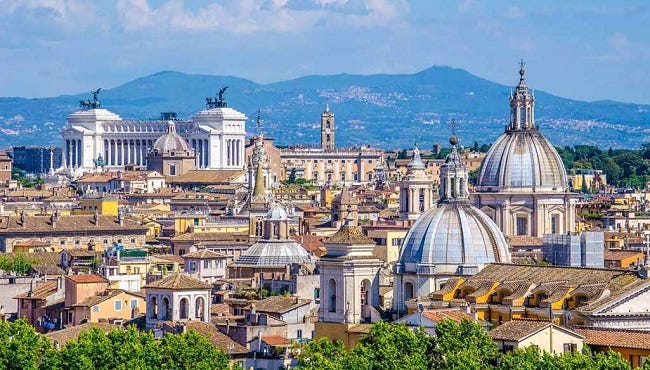
To first-time visitors, the towns of the Castelli Romani feel like a private discovery: Rome spread out in the distance like a stage set, St. Peter’s dome recognizable through the haze, volcanic lakes that remain cool even in August, inexpensive easy-to-drink wines, Renaissance villas, even the pope’s summer palace.
But for many Romans, the Castelli feel like a return to adolescence.
For them, they recall fidgeting at weddings, long lunches with friends of their parents, their first hangover, or awkward fumbling in the back of a borrowed Fiat. So, as adults, they’re more likely to book a trip to the Dolomites or Sardinia than to the Alban Hills less than 20 kilometers from Rome’s city limits.
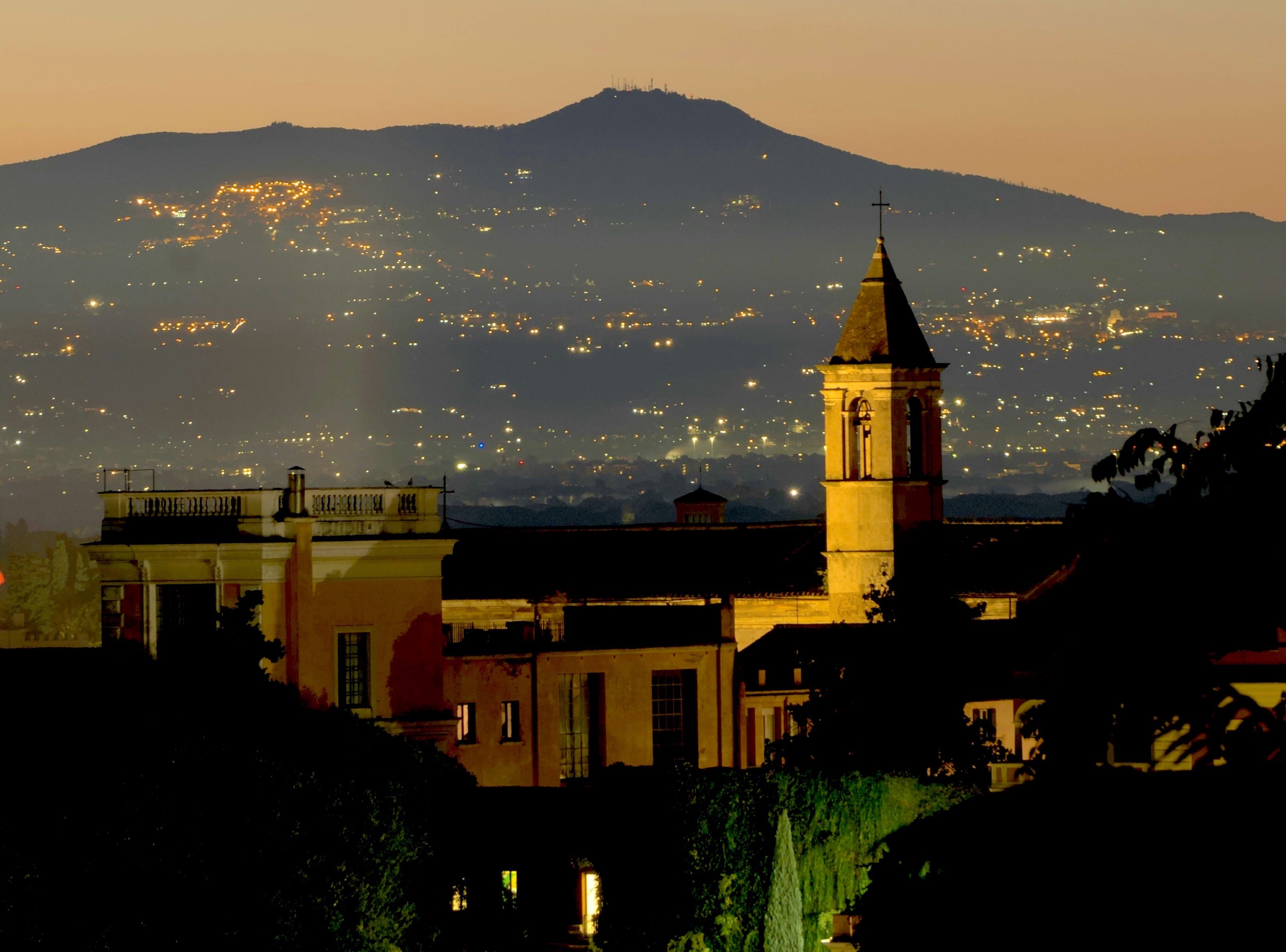
There’s a Lombard phrase I learned while in Milan for the Olympics earlier this year: La tròppa confidenza la fa perd la riverenza -- “Too much familiarity makes you lose respect.” I heard it in connection with a restaurant I was surprised wasn’t better known. But the phrase could just as easily apply to Romans’ attitude toward the familiar hills in their backyard.
“The area is part of popular culture in Rome,” said Mauro de Angelis, a retired winemaker whose roots in the Castelli Romani date back to the 18th century.
“The first train line built in Rome connected the city to Frascati,” de Angelis said. “The Castelli appear in popular songs, in television series. But the area is misunderstood. Close to Rome on a map, but a completely different reality.”
Yet that Roman indifference can work in a visitor’s favor.
The most accessible towns in the Castelli -- Frascati, Marino, Castel Gandolfo -- can be reached by train in less time than a visitor will spend waiting to get into the Colosseum.
Journalist and author John Henderson co-founded the Travel Lazio blog to convince visitors to venture beyond Rome. “We cover all of Lazio, but there’s no doubt that outside of Rome, the Castelli Romani are the centerpiece,” he said.
Despite a shared geography and history, the towns don’t blur into a single destination.
Many pre-date the founding of Rome, though they took their modern form when medieval nobles constructed fortified hill towns amid instability after the papacy moved to Avignon.
Today, Frascati means white wine and long lunches. Castel Gandolfo: lake views and the papal palace. In Ariccia, it’s porchetta; in Nemi, tiny strawberries. Meanwhile, Marino -- unpretentious, rougher around the edges, and famous for its autumn wine festival -- remains stubbornly local.
The Castelli don’t lend themselves to checklist tourism and their appeal is that they still feel more lived-in than curated. But there are still a few general ideas worth following:
Go on a weekday. The Romans who do make the trip generally go on weekends, and the roads and limited restaurant space fill accordingly.
A car unlocks the rest of it. Rocca di Papa, the highest town in the Castelli, and Nemi, perched above a crater lake, are worth the trouble but they aren’t reachable by train.
And allow more time than you think. Even if you’re just visiting one town, the Castelli Romani reward lingering. The 40-minute train ride is just the start.
Nota bene: Like the Castelli Romani, the best parts of this newsletter reward lingering. A paid subscription unlocks the full archive, now more than 50 essays deep. Click here to learn more about supporting The Italian Dispatch.


I never got into the habit of I castelli ... when I moved to the U.S. I was too young to go on my own and by the time I movedback I just went to the beach with friends, ecc. I guess I'm a Roman who overlooks.
What a coincidence, that sentence, " La tròppa confidenza la fa perd la riverenza!" I love the Colli Piacentini and Val Trebbia that people in Cremona sort of avoid because they're too close. Then, they see my pictures and ask, Where was this! So beautiful! I just checked Travel Lazio to see if Gaeta is mentioned but they deem it hard to reach ? Thanks for the break, I'm at work and was looking for a distraction.