
✍️ How to Offend a Sommelier (without meaning to)
More than 20 years after passing the exam, I still have questions

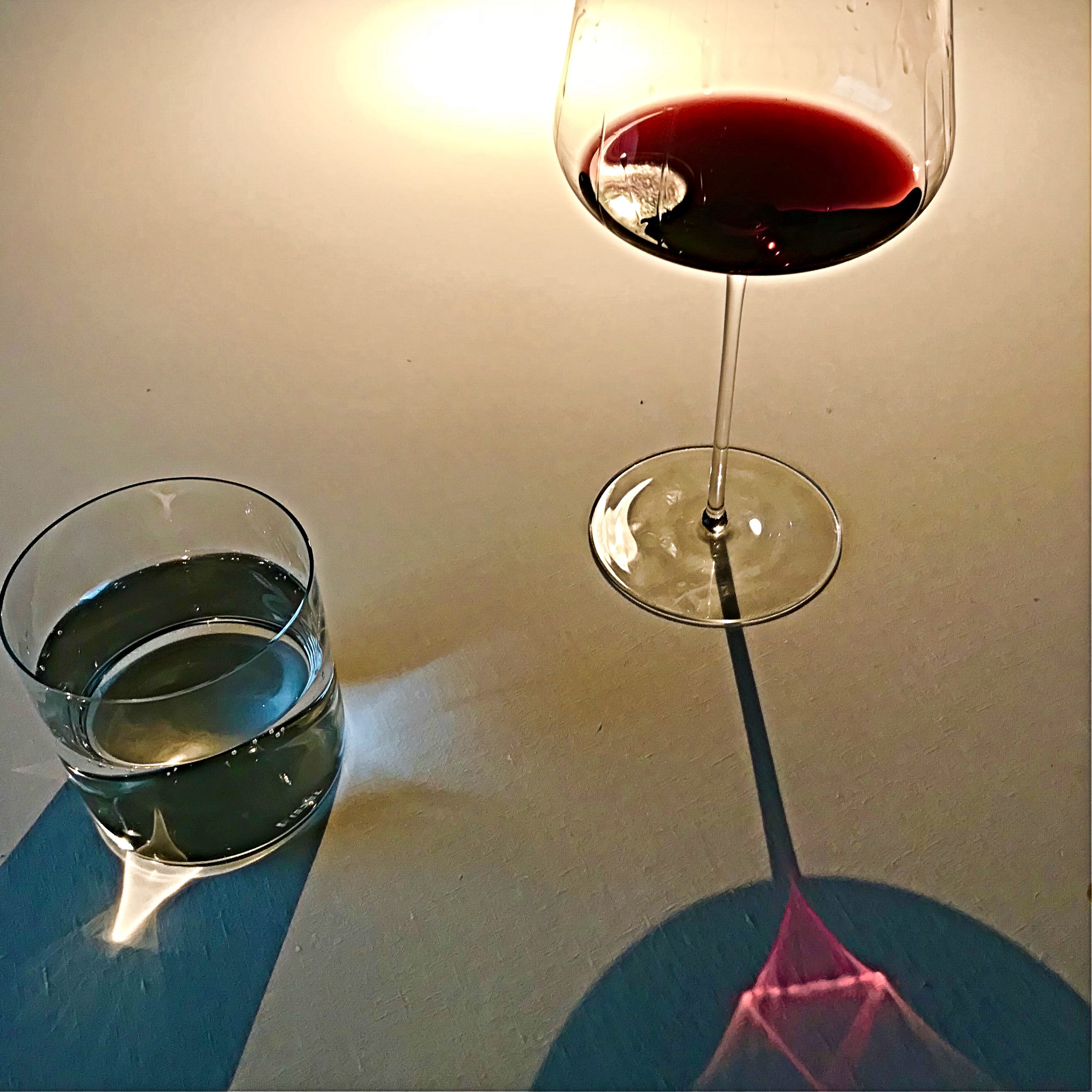
I’ve become an absentminded swirler.
The habit took hold over years of conducting and attending wine tastings. And in that context, it makes perfect sense. Swirling releases a wine’s aromas and helps reveal its character. But nowadays I often find myself swirling drinks that make no sense: my water glass, my coffee cup, even diminutive glasses of grappa or other distilled spirits.
At some point, my swirling stopped being a technique and became some kind of ritual, detached from the purpose it was meant to serve.
There’s a lot of that going around.
Wine service has a peculiar choreography. There’s the theatrical flick of the wrist as the cork is pulled, followed by a brief, satisfied sniff. I know one place in Rome where a top-shelf wine makes three stops before the diner can even begin to swirl: from the bottle to a decanter to a small glass to a large crystal chalice. And once the cork is pulled, it’s become increasingly popular for sommeliers to come up with creative new ways to display it.
Of course, the sommelier isn’t the only one performing.
None of this is about whether a diner knows where Valtellina or Taurasi appear on a map or can list the grapes used to make an Amarone. It’s unrelated to understanding the difference between Vino Nobile di Montepulciano and Montepulciano d’Abruzzo or knowing how to pronounce Cannonau or Sagrantino.
What matters is more basic: the understanding that a good restaurant meal in Italy is a kind of conversation — especially when it comes to wine.
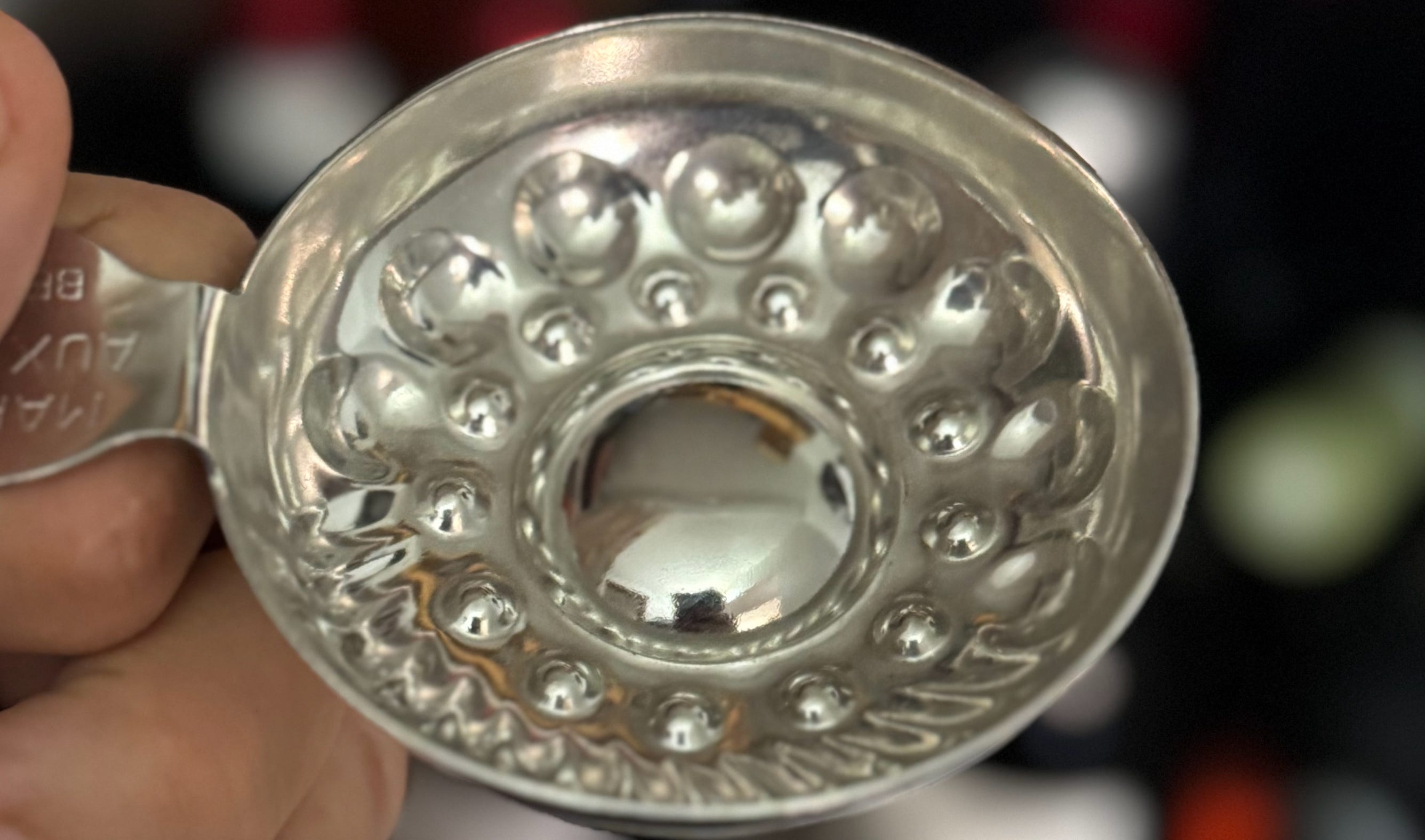
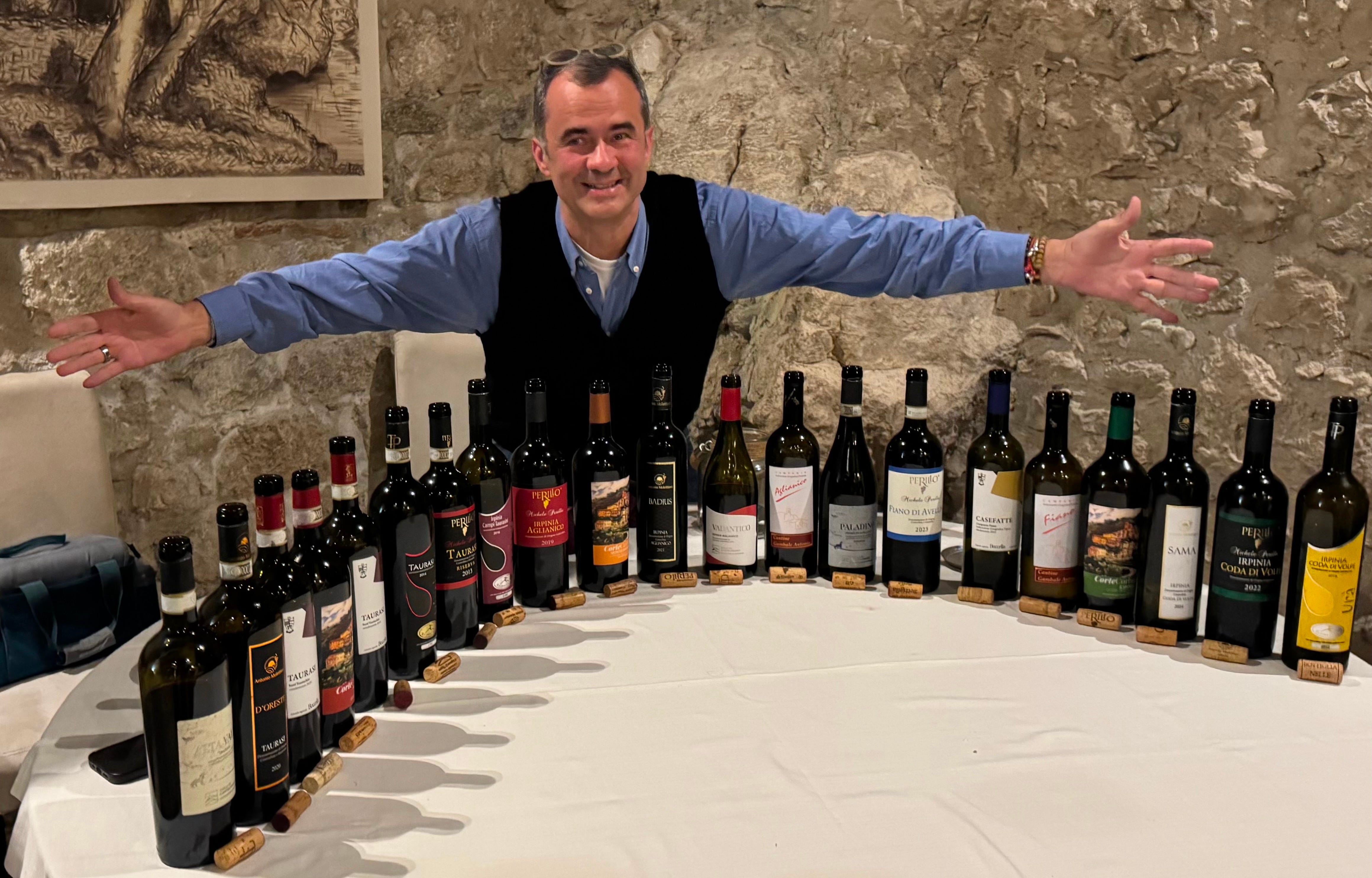
I am a former vineyard owner. I passed my sommelier exam more than 20 years ago. I know my taste in wine well. And I still ask plenty of questions. After all, the wine expert on staff knows a restaurant’s wine list and food far better than I do. As long as you’re in the right kind of restaurant, the staff’s goal won’t be to upsell you; it’ll be to help you have a memorable meal. Trust them.
Most of the rituals around wine service are optional. But communicating with the sommelier is not.
Over the last several weeks, I’ve spoken informally with sommeliers who, unlike me, work in restaurants. And they tell me that the most common missteps include:
Claiming to be more of a wine expert than you are. The sommelier can always tell.
Not being clear about how much you want to spend. There’s no embarrassment here. If you want to be discreet, point to a specific bottle on the wine list and say, “Something around this range….”
Failing to give them a sense of your taste. Any wine drinker knows enough to say whether they prefer dry or fruity, full bodied or light. In Italy, every region produces good wine, and so ordering a bottle from the region -- or, better yet, an under-appreciated wine from the region -- is a smart move.
Asking for the “best wine” in the region or at that price point misses the point. Ask for one that pairs well with what you’ll order. That’s what the conversation is for.
Misunderstanding the tasting pour. You’re looking for defects, not passing judgement on the wine.
Monopolizing the sommelier’s time. Even the friendliest staff member has a whole restaurant to worry about.
And my own addition: If you look down during your meal and find yourself mindlessly swirling your glass, well, don’t fret. At least you’re drinking the right drink.

Nota bene: Paid subscriptions are always welcome at the table. They get access to all the essays in the cellar — more than 50 and counting — as well as a monthly digest of recent posts and the best comments from them. Click here to learn more.

I tend to agree with your list.
The one I keyed on, "Failing to give the Somm a sense of your taste" is rather important. Just allowing the Somm to pair things up without any input from the guest, especially Americans, is risky. Our wines are much different than the Italians.
Oh, you didn't get the memo...everyone is a wine expert. I meet them all the time and write about them.
Such a good article, Eric.... she says as she reads it while swirling a non-descript lunch time glass of Chardonnay.
I'm not a wine expert. But I know what I like.
That said, I'm lucky to know experts in Tuscany - where I try to spend as much time as possible.
They truly do know good wine, and they also know my tastes, so I just follow their lead.
I have spent the last 25 years sharing my beloved Tuscany with very small groups of travelers and am always amused by the self-appointed wine "experts" who are occasionally included in my groups.
Bless their hearts!.... as my darling Mother would say!
And I'm grateful for my Tuscan friends who always handle them with patience and grace.