
Dispatch Digest: The Comments Talked Back
A month of essays -- and readers who finished writing them

A quick note: This Dispatch Digest is the first of a new look back at the previous month’s essays -- standout reader comments, additions, and the connections that appeared after publishing. Starting in July, it will be emailed exclusively to paid subscribers and readers whose comments are featured. But this first one is for everyone.

No straight lines
It’s tempting to think about understanding as something that accumulates in a straight line.
We learn a new fact. Read a new book. Have an unexpected conversation. Visit a new place. One by one, pieces are added to each other and over time our understanding of the world takes shape.
But sometimes, important insights arrive differently. Sometimes there’s nothing new except our point of view.
Looking back on May’s essays, I realize every essay ended up being about that kind of change in perspective.
And it turns out that shift doesn’t stop once an essay is published. The conversations continue in the comments section, where “finished” essays often turn into collaborations.
There was the routine bike ride that made me a witness to the tragic fate of a young woman. Or the examination of why one of the most beautiful corners of Italy is overlooked by locals. A trip to the Dominican Republic that made me reconsider Italy’s tourism challenges. And how the simple act of writing this newsletter forced me to see my home city through new eyes.

The Zebra-Print Shoe … this one was among the most difficult things I’ve ever written, mostly because it forced me to confront events I remember vividly but spent years purposely not writing about, examining my role as a witness to a death nobody was meant to notice.
Note: this one is darker than the others. If you’d rather skip it, jump to below the next photo to pick up this post further down.
Francesca Schmid-Peters called the essay a “high wire act” -- a combination of personal essay and reportage, plus a slice of memoir. I think that’s what made it so hard to write. Even now, two weeks later, I still feel a bit drained by it.
“What is so striking in this haunting account is the cynicism, both of the pack of cyclists, so dismissive in their language, and the cops in the area,” wrote Frances D'Emilio, a fellow journalist who spent years writing about human trafficking in Italy. She went into details the essay could only nod at.
There were many comments praising the kind-hearted captain.
“Sometimes the ugly stories also contain moments of goodness, and I think it’s important to be honest about both,” wrote Ana Rosa. Ditto for Chris Petitt, who joined the cycling team mentioned in the essay a year or two after the events in the story. He said the captain was “a great example of a not unusual experience in which an Italian person goes out of their way, beyond what a stranger would expect.”
But the comment that extended the essay most was from JJC in VT, who asked whether anyone had tried to identify the poor woman in the essay and whether there had been a service for her in Rome. I didn’t know. “So many people are born, struggle, and die without the world really acknowledging them,” I replied, a succinct summary of the essay itself.

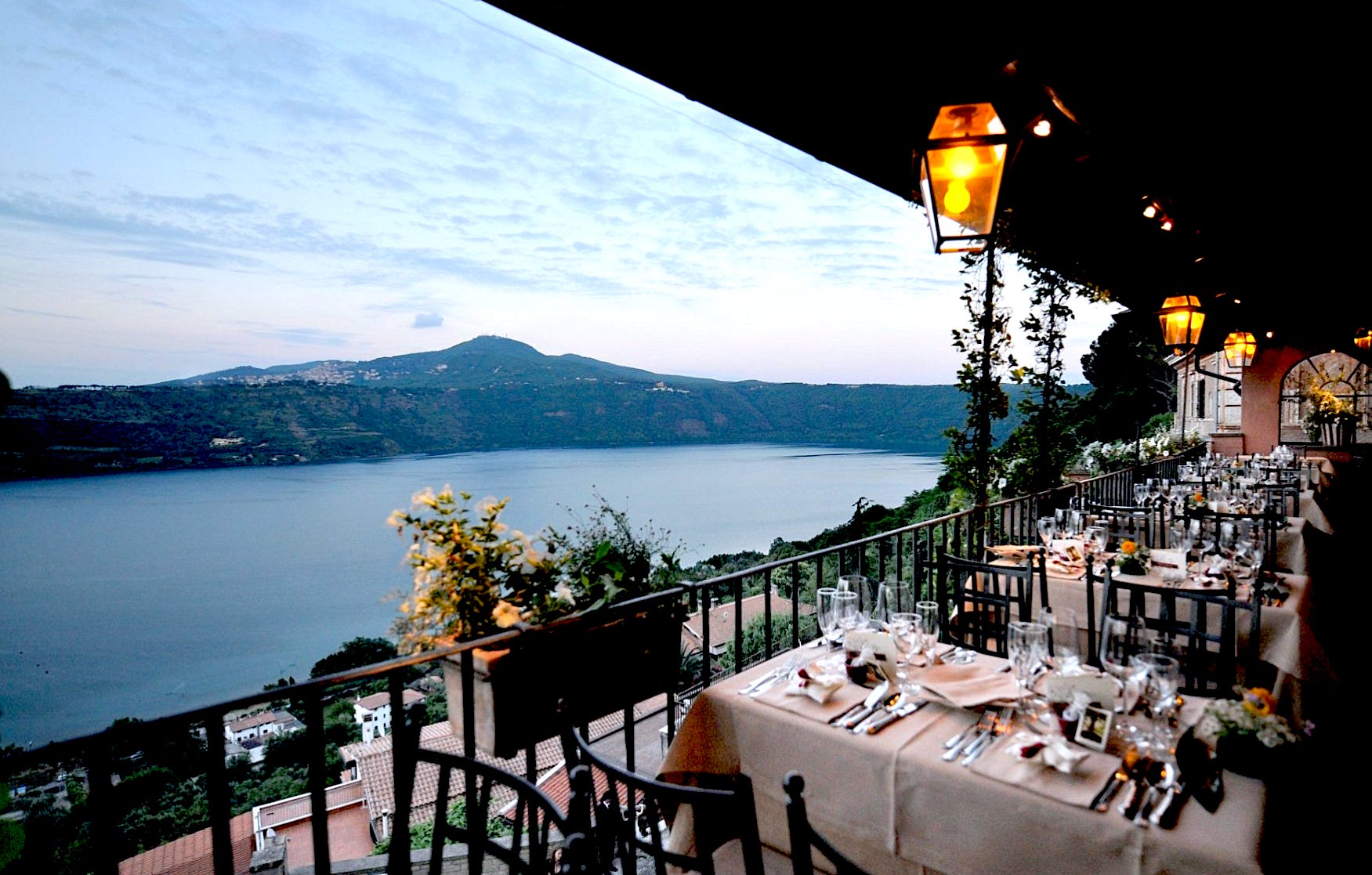
The 40-Minute Problem was a gentler essay, where I made a case for visiting the Castelli Romani, a group of more than a dozen hill towns surprisingly close to Rome, but which Romans seem to avoid because the area reminds them of their awkward adolescence.
In one comment, romanticorum made a case for the Castelli as a “should-be” tourist destination better than I could, even singling out Pagnanelli, a restaurant I’ve been visiting for years. Long-time readers may recall the essay Everyone Was Trying to Help, where my date got charmingly stranded in a restaurant bathroom. That took place in Pagnanelli. I’d kept it anonymous in the original essay, but the comment outed it.
Another reader, Henry, asked a question I’d been bracing for: Was I worried that “by shining a light on this area” I’d invite over-tourism? Part of my reply: I’m not anti-tourism; I’m anti-over-tourism. “The Castelli have a long way to go to reach that point,” I wrote.

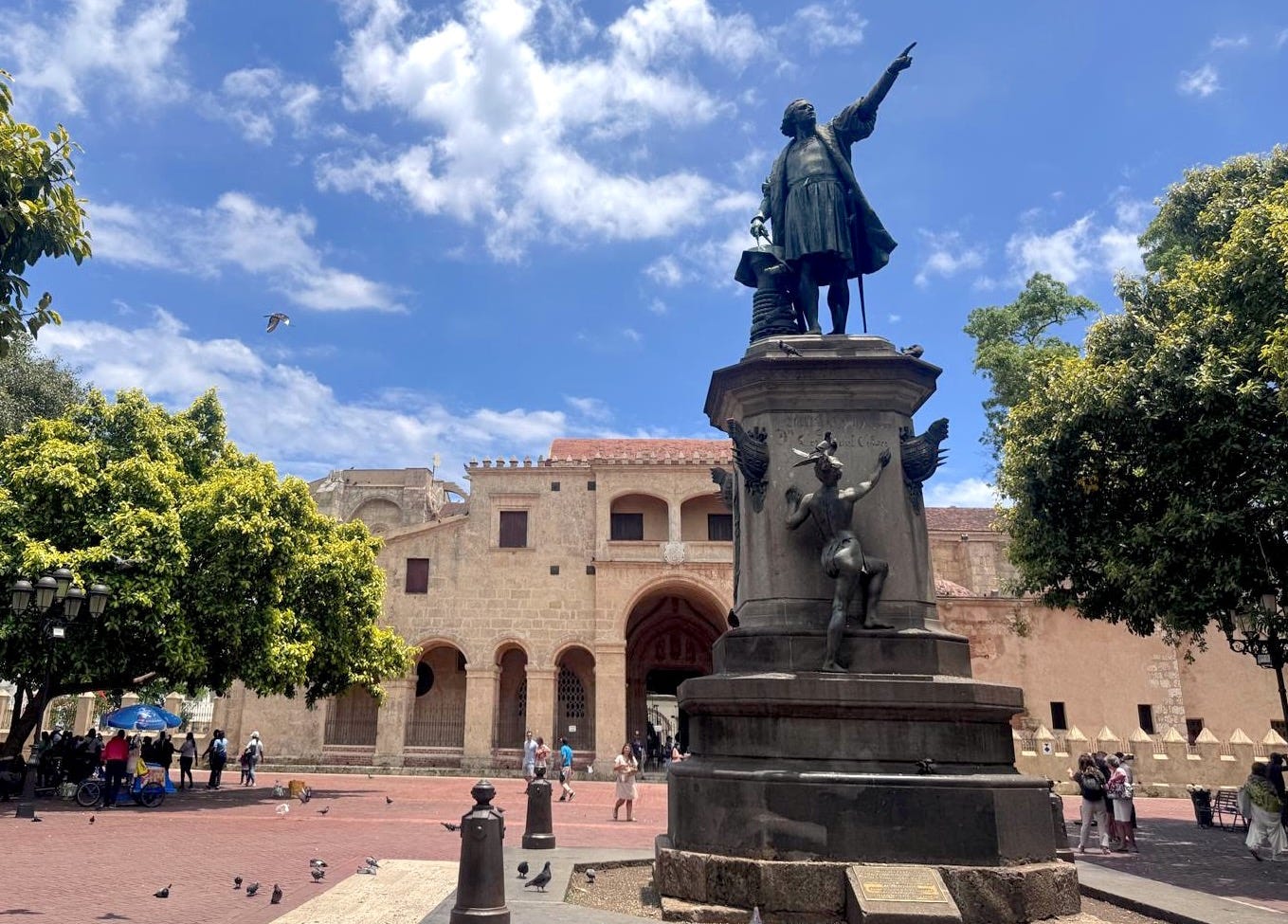
I traveled to the Dominican Republic with my mother in late April and early May. I didn’t intend to write about Italy from a park bench in Santo Domingo, but the over-tourism parallels were hard to ignore. The result was Two Countries, One Warning.
Reader CarloMario Nudi visited Italy three times across 50 years, and on his most recent trip to scout property in his ancestors’ Calabria he started off on the wrong foot when he heard U.S. pop music being piped through loudspeakers in Lamezia Terme. “My idealized remembrances of Italy started to fade,” he wrote. By the time he faced the crowds at Cinque Terre, he abandoned his plans to buy property.
Chiara, a dual citizen who just moved to Italy from the U.S., was looking for solutions to the problem of over-tourism. She brought up tax policies, incentives for start-ups, and better civic engagement. That made me think about university students in my own neighborhood, San Paolo in Rome, who leave beer bottles and cigarette butts on public steps because, I believe, they’re essentially visitors who don’t feel invested in the area. I think that’s the same detachment that lets a tourist consume a place without noticing the damage to it.
The argument got flipped in a comment from Monica Sharp. Instead of asking whether tourism was good or bad, she discussed “who deserves to travel and on what terms.” Her comment focused on the pitfalls of the “easy” answers: tell people to stay home and you entrench provincialism. Require some minimal understanding of the language or culture? That tips toward authoritarianism. Meanwhile, opening the gates presents devastating problems. Monica had obviously been mulling over the topic for a while: soon after her comment, she published her own provocative post delving even deeper into the topic.

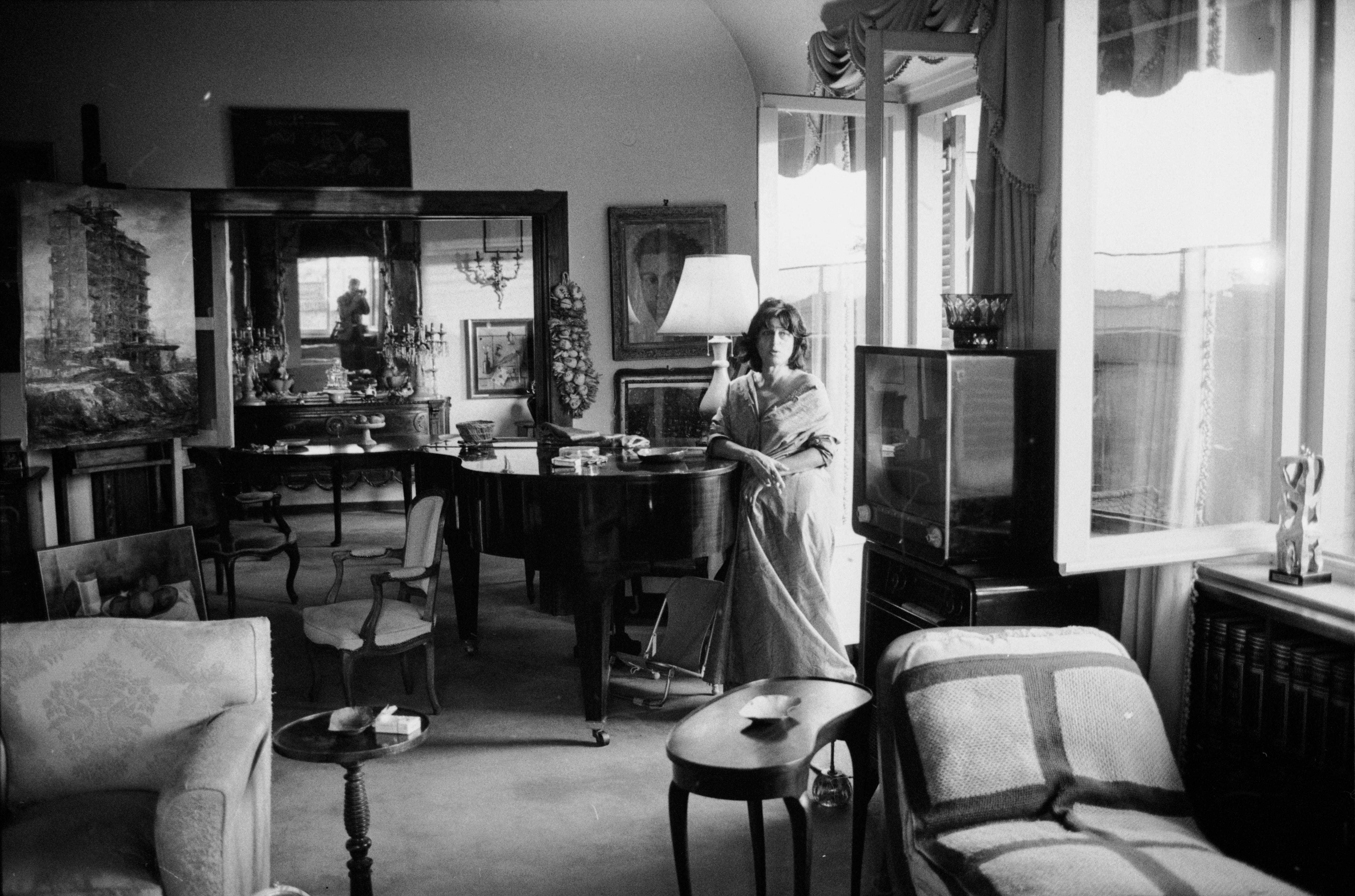
Rome, from the Right Angle marked the one-year anniversary of The Italian Dispatch. I used a fascinating 65-year-old photo of Roman actress Anna Magnani in her cluttered apartment to illustrate how I’d always imagined her. Then the essay traced how writing The Italian Dispatch helped me see Magnani in a different context -- in street art.
Elfin Waters greeted the essay with Nannarella, Magnani’s old Roman nickname, one I hadn’t heard in a while. Elfin floated a theory I’m still thinking about: that Magnani has come back into fashion more than half a century after her death because her unpolished style suits 2026 better than it did her own era. Nannarella stuck, too -- I had a Note ready calling her La Magnani, but I switched the reference before posting it.
Eric Beall from Life Lived Italian added to the essay’s closing image of Magnani as Superwoman in Trastevere torn from the wall, reduced to a faint outline. He’d recently walked past a Donald Trump-as-a-brownshirt mural in the same area, also peeling away. He saw it as “a reminder that time sooner or later erases a lot of the posturing and posing of those in power.”
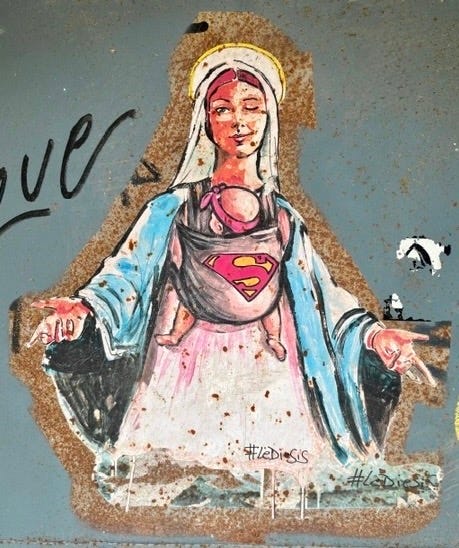
And reader Mb did the most fitting thing of all: she kept looking. Mb saw the Lediesis mural of Magnani as Superwoman I used in the essay and then recognized a different mural -- this one of the Madonna with the infant Jesus strapped to her chest -- by the same artist in Bari, then more of them in Rome. Like me, Mb started seeing the murals everywhere.

This Dispatch Digest is available to all. Future editions will go out by email to those with a paid subscription, which also includes access to the full archive: more than 50 essays and the conversations that followed each one. Annual paid subscribers in the E.U., U.K., or U.S. also receive a welcome package -- a vintage postcard and a Dispatch refrigerator magnet. The three most recent essays are always free to read.
Love this idea for a post-- really smart both to review and to expand the dialogue. But it also highlighted for me what great stuff you're writing at the moment. All of these pieces, but particularly "Rome, from the Right Angle", "Two Countries, One Warning" and the devastating "The Zebra-Print Shoe" left a lasting impression.
Eric, I am loving the Digest! It's a great way for me to catch up on articles I may have missed. One thing I love about the zebra-print shoe essay is how it illuminates the inherent kindness of Italian people. And I have to tell you: I like you even more now knowing you're a cyclist. Just like you, there's no way I would have left that bike on the side of the road!