
In an Age of Crisis, Do Small Stories Still Matter?
Writing about ordinary life when every headline feels urgent

Ridiculous reviews
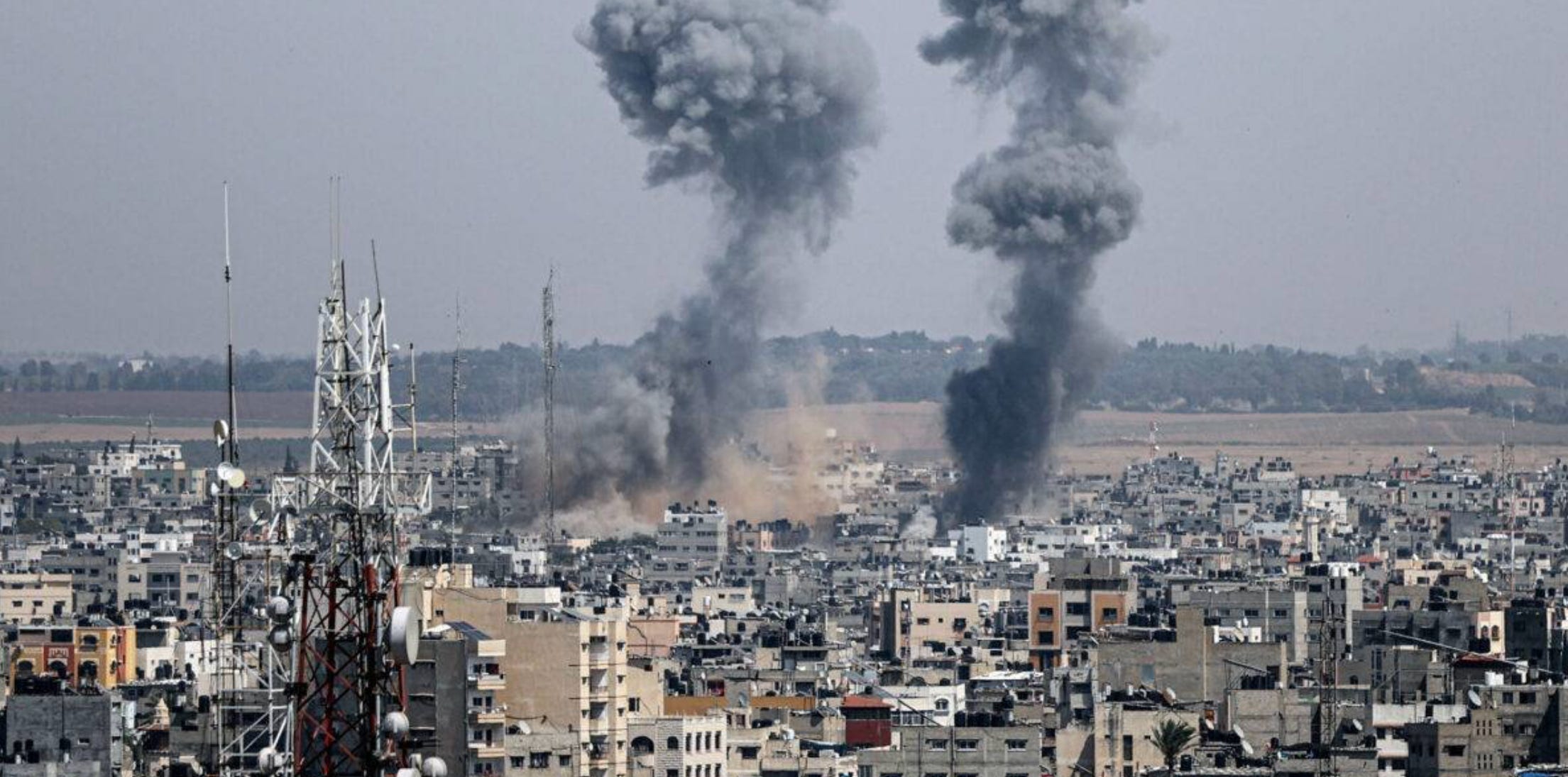
Missiles were in the news again. I can’t remember now whether they were falling in Iran, Ukraine, or somewhere in the Levant. NATO was fraying. Oil markets were a mess. There was a headline about a mass shooting, and another about efforts to rein in artificial intelligence.
My chest tightened.
I folded the laptop shut and called for my dog, Mocha. “Wanna go out? C’mon, girl!” She jumped excitedly.
At my neighborhood bar, they usually start making my caffé macchiato al vetro when they see me coming. That morning, a weary regular coming off a night shift was already at the counter drinking a beer. An old man patted Mocha on the head and asked once again “his” name.
“Mocha,” I told him. “Ma è una femmina” -- “But she’s a female.” His weathered face nodded its approval.
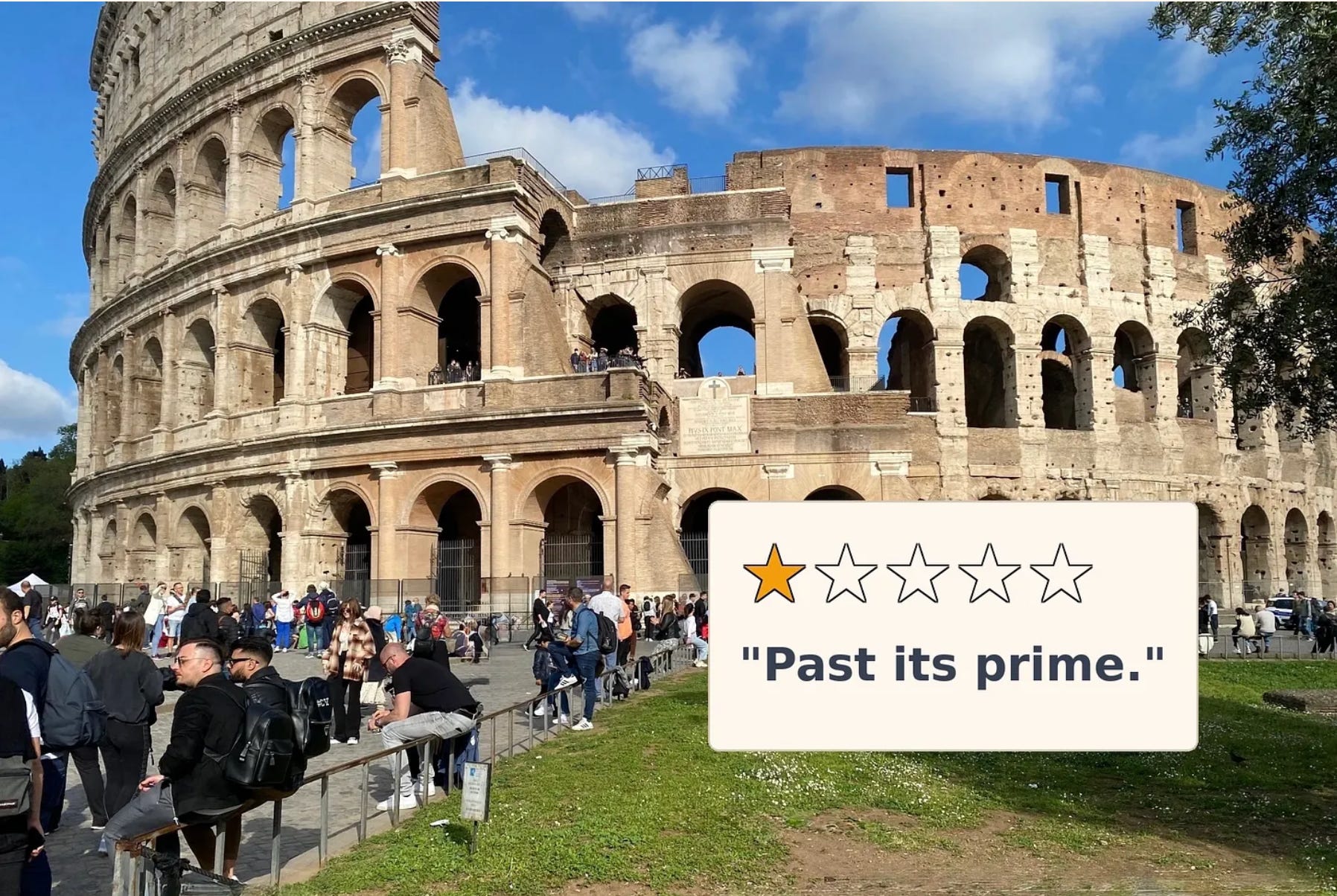
Back at my desk, I went back to researching a newsletter essay about ridiculous online reviews of Italian landmarks. The premise: visitors who say they’re looking for the “real” Italy won’t find it online. I filtered the reviews to show only the one-star ratings, then bookmarked the funniest. One reviewer wrote that Rome’s Colosseum was “past its prime.” Another called it a “crumbling eyesore.”
Back to the news. Bombs had hit a school. Around a dozen children were confirmed killed and at least three times that number were still missing.
And there I was, collecting one-star reviews of the Colosseum.

Important in hindsight
I haven’t always looked away.
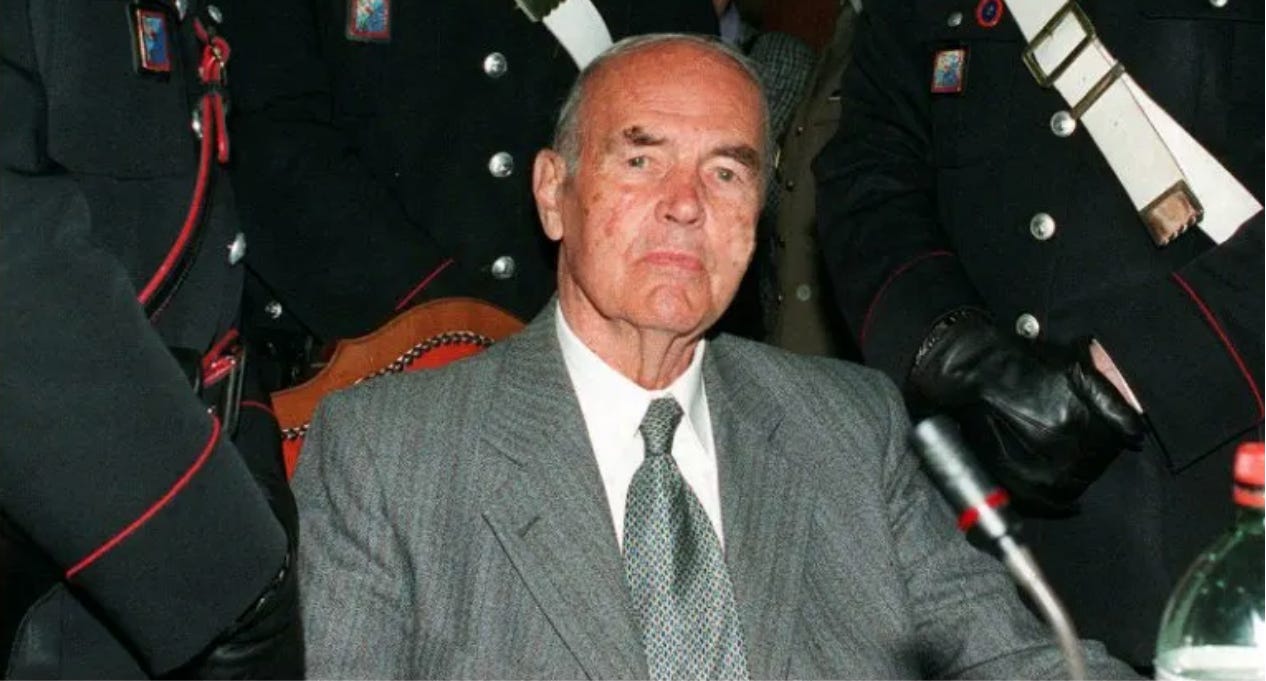
As a young journalist, I reported from Sarajevo during the Yugoslav wars and from Peru during the Shining Path insurgency. I spent two decades covering U.N. climate negotiations. I was there for clashes over one of the last Nazi war criminals, when earthquakes rocked central Italy, and for three papal conclaves. I chronicled the resurgence of European antisemitism and Italy’s mass migration crisis.
Given all that, is it irresponsible for me to also write about Romans’ love affair with dogs, my nervousness at seeing John Updike, the wine I made from stolen grapes, or the last of the old-time paparazzi?
It’s a question I haven’t been able to shake.
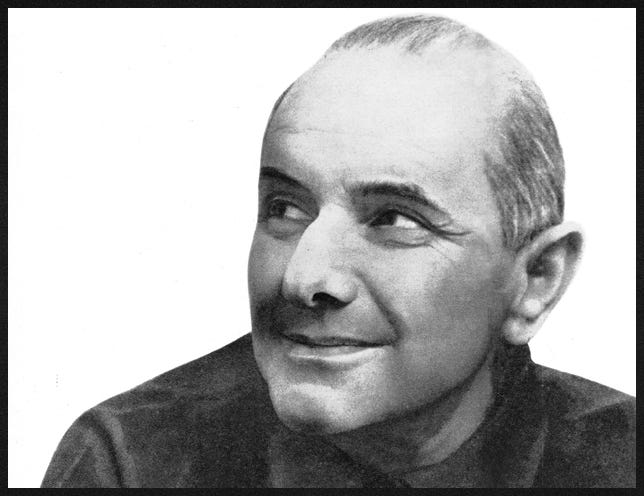
I talked to David Sax, a Canadian journalist, author, and commentator whose work includes Save the Deli, an affectionate and funny hommage to the traditional Jewish delicatessens -- a book I enjoyed during lockdown. He considered writing hard news before turning to smaller subjects, and he’s made a career out of them -- with bestsellers and a James Beard Award to show for it.
“I get what you’re saying, but I think there really aren’t any unimportant stories,” Sax told me. “Some stories may be more interesting or better told, but they are all part of the world. And telling the stories about the small parts of life helps to tell the stories of the big parts of life, right?”
A distant war might lead the news, Sax said, but it isn’t always the thing closest to how people live.
That argument found an unlikely ally in Neil Macdonald, an old-school CBC foreign correspondent who spent decades covering big stories I felt guilty about neglecting. He lives in Rome now, too. I expected him to have little patience for my second-guessing. But he surprised me.
If every journalist focused on the same few stories, Macdonald said, most of the rest of life would go unrecorded.
“Besides, what might look trivial now can turn out to be important in hindsight,” he said.

The avalanche
I wasn’t completely sold.
For years, I’ve held onto a slightly misremembered line by Polish writer and aphorist Stanislaw Lec: In an avalanche, no snowflake is innocent1.
I’ve always thought Lec was writing about complicity. But in my dilemma, I’m unsure where I stand. Am I one of the snowflakes, playing a bit role in whatever is coming down? Am I just an observer? Or am I pretending nothing is happening?
Here’s what I’ve decided: An avalanche contains two stories -- there’s what is rumbling down the mountain and what is being buried. The big stories tell us about the forces bearing down on the world. Smaller stories tell us what risks being covered up.
Italy makes the distinction easier to see. The country’s long history spans empires, barbarian invasions, plagues, earthquakes, fascism, war. But the country lives in what continued around those events: coffee served in a glass with a few drops of hot milk, an old man patting a dog’s head -- even a crumbling amphitheater still standing after 2,000 years and collecting one-star reviews.

📌 And another thing
Sax didn’t start out writing about delicatessens: he once considered becoming a war correspondent. At 22, he landed in Israel during the Second Intifada -- bus bombings, suicide attacks, no tourists anywhere.
A more seasoned journalist, a family friend, talked him out of the obvious plan. “You’re going to the most covered place on earth,” Sax recalled the man telling him. “What’s the story only you can write?”
So Sax wrote the story in front of him -- not negotiations or body counts, topics better covered by wire services, but the young people still going out to bars and clubs between bombings.
The story ran on the front page of The Globe and Mail -- the first major piece he’d ever published, and, he notes with amusement, the only one to ever appear on the front page.
More than two decades and five books later, Sax says he still thinks less about whether a subject is “important” enough than about the question his family friend posed -- what’s the story only he can write? It’s not a bad question to steal.

Nota Bene: The big stories don’t lack for attention. This newsletter is for the quieter ones -- stories that risk being buried and that turn out to matter. That kind of writing takes time and effort. Please consider becoming a paid subscriber to keep it going. When you do, you’ll also get access to the full archive of 60-plus essays, and a monthly emailed digest of recent posts and highlights from the reader comments. Click here to learn more.
Stanislaw Jerzy Lec actually wrote “No snowflake in an avalanche ever feels responsible” in More Unkempt Thoughts, written in 1964 and translated from Polish four years later. In research for this essay, I realized my version drifted a little since I discovered it, but I’ve decided I prefer mine.
But isn't true humanity expressed through the (seemingly) small, daily things?
The ability to notice and to narrate that is important, I think, because through them, I can discover what makes others similar, and different, and I think that's beautiful
Whatever you do, don't give up on the little stories. One day I was walking by the Pantheon while it was partially covered by scaffolding. A woman turned to her companion and said, "Tell me what the book says about this." He looked and responded, "It won't be in the guidebook, they're still building it." Later that day I told the story to Reggie and we had a good laugh. And I remember during my college days I was watching news from the war in Yugoslavia. I thought, "I'm really glad I'm not there." The world is pretty grim when you really look at it from a certain angle. The little stories take a little of that away.